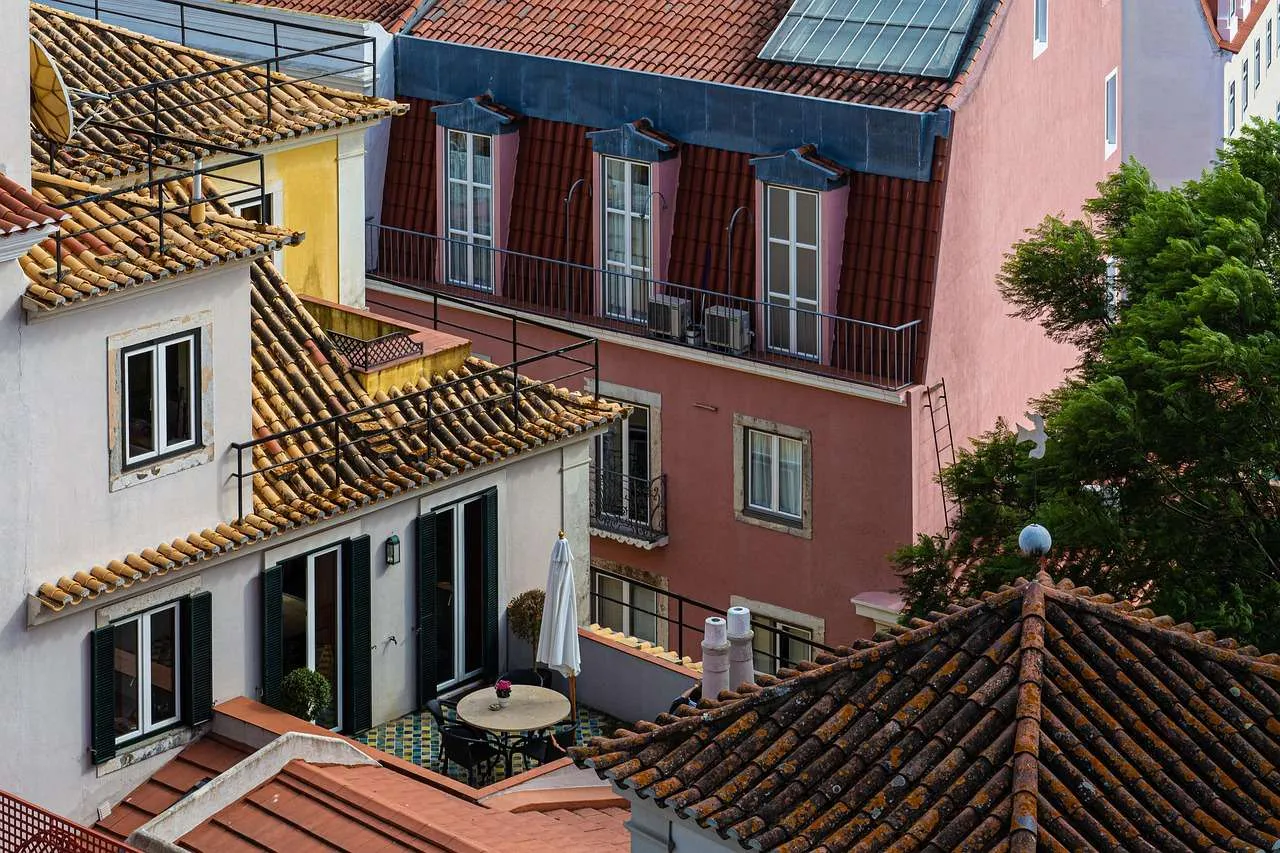
Your roof is a critical line of defense for safety, comfort, and home value. Understanding roofing and roof repairs helps homeowners protect their investment. This guide explains common roof systems, typical problems, when repairs are necessary, and how to choose a qualified contractor to meet EEAT standards.
What is Roofing?
Roofing refers to the system and materials that protect a building from weather. It includes underlayment, decking, flashing, shingles or other coverings, and ventilation. Quality roofing ensures energy efficiency, weather resistance, and long service life.
Common Roof Problems
Many issues arise over time, from age and weather to poor installation. Common problems include missing or curling shingles, damaged flashing around chimneys and vents, ice damming in cold climates, and signs of moisture in ceilings or walls. Prolonged exposure to leaks can cause structural damage, mold and higher energy costs.
Signs You Need Roof Repairs
- Visible leaks or water stains on ceilings
- Missing, cracked, or curling shingles
- Shingle granules in gutters or at the edge of the roof
- Sunlight seen through attic spaces or sagging roof sections
- Damaged flashing or rusted metal components
Types of Roof Repairs
Repairs vary by roof type and damage. Here are common categories and what they typically involve.
Shingle replacement
Replacing damaged or missing shingles restores the weather seal and appearance and prevents further leaks.
Flashing repair
Flashing around chimneys, skylights and vents must be intact to prevent leaks where water can migrate behind the roof deck.
Leak patching
Sealing active leaks with roofing cement, patch materials or epoxy can stop water intrusion temporarily or permanently depending on the location.
Vent and attic repairs
Issues with vents, underlayment, or attic insulation can cause condensation, ice damming, and energy inefficiency if not addressed.
DIY vs Professional Roofing: When to Call an Expert
Some minor maintenance like gutter cleaning or clearing debris is doable for a handy homeowner. However, most roof repairs involve height safety, specialized tools, and knowledge of roofing systems. Working from heights without proper equipment or tackling the wrong flashing material can lead to bigger problems and safety risks. For structural damage, extensive patching, or leaks that persist after DIY efforts, hire a licensed professional roofer who can assess, repair, and warranty the work.
How to Choose a Roofing Contractor
Buying roofing services is an important decision. Look for:
- Licensing and insurance coverage that protects you from liability
- Proven experience with your roof type and regional climate
- References and a portfolio of completed projects
- Clear written estimate, material warranties, and workmanship guarantees
- Payment terms that are fair and transparent
Cost Guide and Timeframes
Costs vary by roof size, material, and extent of damage. A typical repair can range from a few hundred to several thousand dollars. Timeframes depend on weather, materials, and access. The table below provides a quick comparison for common repair types.
| Repair Type | Typical Cost | Time to Complete | Pros | Cons |
|---|---|---|---|---|
| Shingle replacement | $150–$600 per patch, or $3–$8 per sq ft | 1–2 days | Restores seal, improves curb appeal | Cost varies with shingle type |
| Flashing repair | $300–$1,000 | 1 day | Prevents leaks at critical joints | Requires precise installation |
| Leak patching | $150–$600 | Same day | Quick fix for active leaks | Temporary if underlying issues persist |
| Vent and underlayment repairs | $200–$1,200 | 1–2 days | Improves ventilation and moisture control | May require attic access |
Note that emergency repairs and storm damage often incur higher costs and may require immediate temporary measures to prevent further water intrusion. Always obtain a written estimate and ensure work is covered by a warranty.
Maintaining Longevity: Best Practices
Regular inspections, especially after severe weather, help catch issues early. Clean gutters, remove debris, trim overhanging branches, and ensure attic ventilation is adequate. Schedule professional roof evaluations every 3–5 years, or sooner if you notice signs of trouble. A proactive approach to roofing and roof repairs extends the life of the system and protects interior spaces.
Conclusion, by prioritizing proper roofing maintenance, timely roof repairs, and choosing a reputable contractor, homeowners protect safety, preserve property value, and reduce long term costs.